
The construction industry is rapidly shifting toward smarter and faster building methods. One of the biggest transformations today is the combination of Building Information Modeling (BIM) and Modular Construction.
Together, they help contractors and developers deliver projects faster, reduce rework, improve quality, and lower construction costs.
What is Modular Construction?
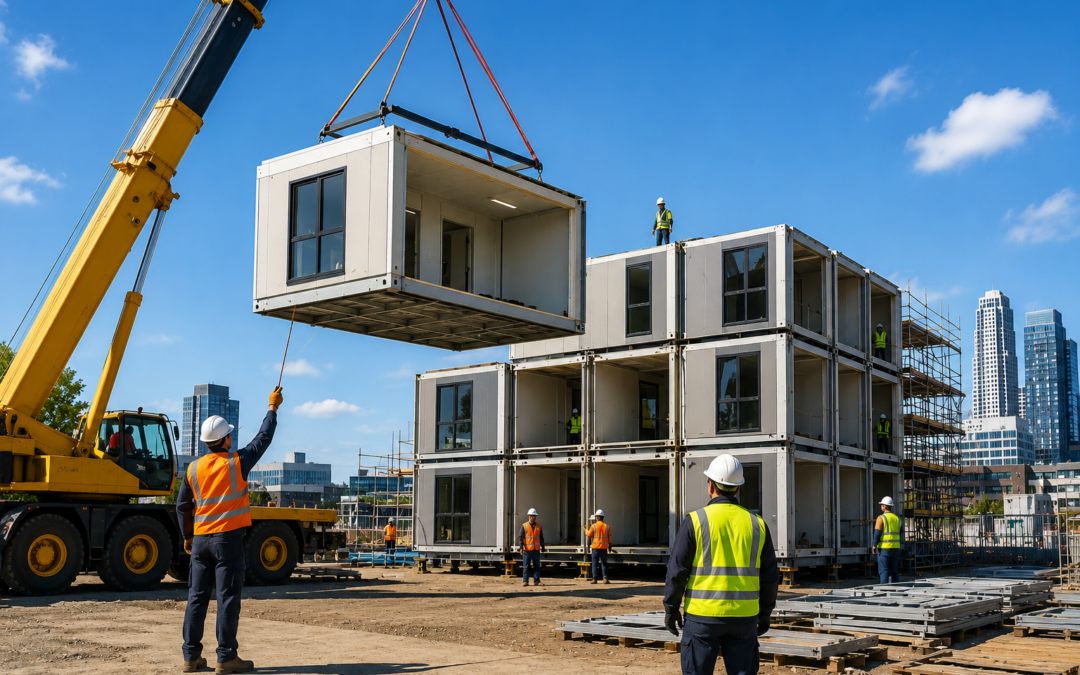
Modular construction involves manufacturing building components or complete modules in an offsite factory and then assembling them onsite.
This approach allows:
- Faster project execution
- Better quality control
- Reduced onsite labor
- Minimal weather-related delays
- More safety
How BIM Supports Modular Construction
BIM provides a centralized digital model that connects architectural, structural, and MEP systems into one coordinated workflow.
Using BIM, teams can:
- Create fabrication-ready models
- Detect clashes before construction
- Generate accurate shop drawings
- Improve project coordination
- Optimize installation sequencing
Key Benefits of BIM + Modular Construction
Faster Delivery
Offsite manufacturing and onsite work happen simultaneously, reducing project timelines significantly.
Reduced Rework
BIM clash detection helps identify issues before fabrication and installation.
Improved Quality
Factory-controlled production ensures higher precision and consistency.
Lean Construction
Better planning reduces material waste, delays, and labor inefficiencies.
Cost Savings
Improved coordination minimizes project risks and unnecessary expenses.
Industries Adopting BIM + Modular Construction
- Data Centers
- Hospitals
- Residential Buildings
- Industrial Facilities
- Hotels & Commercial Projects
These industries benefit from faster delivery and high-precision coordination.
The Future of Construction
As the industry moves toward digital and industrialized construction, BIM-enabled modular workflows are becoming the new standard.
Technologies like:
- AI
- Digital Twins
- Smart Manufacturing
- Automated Fabrication
will further accelerate the growth of modular construction worldwide.
Conclusion
BIM and Modular Construction together create a faster, smarter, and more efficient construction process. From reducing rework to improving delivery speed, this combination is transforming how modern projects are designed, manufactured, and built. Companies adopting BIM-driven modular workflows today will gain a major competitive advantage in the future construction industry.